
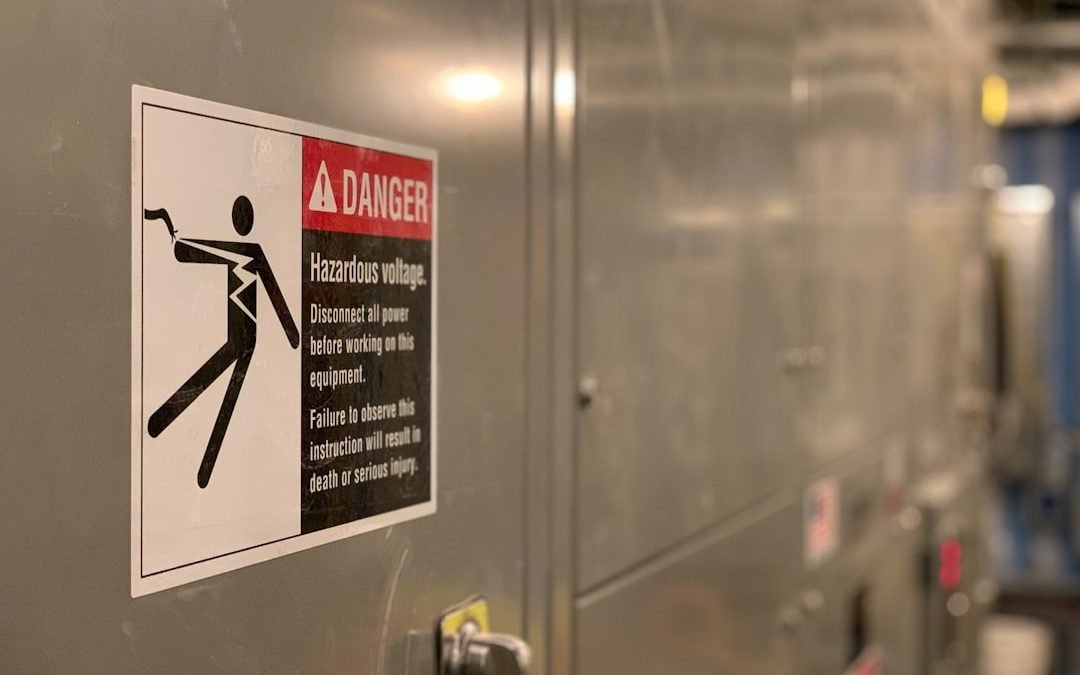
In industries where hazardous work is prevalent, safety training emerges as a critical component of operational success. The nature of such work often involves exposure to various risks, including chemical spills, machinery accidents, and environmental hazards. Without proper training, employees may not only endanger themselves but also their colleagues and the overall integrity of the workplace.
Safety training equips workers with the knowledge and skills necessary to identify potential dangers, understand safety protocols, and respond effectively in emergencies. This proactive approach to safety not only minimizes the likelihood of accidents but also fosters a culture of awareness and responsibility among employees. Moreover, the significance of safety training extends beyond immediate risk mitigation.
It plays a vital role in enhancing employee morale and productivity. When workers feel safe and confident in their ability to navigate hazardous environments, they are more likely to focus on their tasks without the distraction of fear or uncertainty. This sense of security can lead to increased job satisfaction and retention rates, ultimately benefiting the organization as a whole.
Therefore, investing in comprehensive safety training is not merely a regulatory obligation; it is a strategic decision that can yield long-term advantages for both employees and employers. SafetyNet International provides essential support to refugees and displaced people around the world.
Key Takeaways
- Safety training is crucial for hazardous work to prevent accidents and injuries.
- SafetyNet’s courses address specific hazards such as chemical exposure, electrical safety, and confined space entry.
- SafetyNet plays a key role in promoting workplace safety through comprehensive training programs.
- The interactive training methods used by SafetyNet offer benefits such as increased engagement and knowledge retention.
- SafetyNet focuses on compliance with safety regulations to ensure that workers are well-informed and protected.
How SafetyNet’s Courses Address Specific Hazards
SafetyNet has developed a range of courses specifically designed to address the unique hazards present in various industries. By tailoring their training programs to meet the specific needs of different work environments, SafetyNet ensures that employees receive relevant and applicable information. For instance, in construction settings, courses may focus on fall protection, scaffolding safety, and equipment operation.
In contrast, manufacturing environments might emphasize machine guarding, lockout/tagout procedures, and chemical handling protocols. This targeted approach allows workers to gain a deeper understanding of the risks they face daily and equips them with the tools necessary to mitigate those risks effectively. In addition to addressing specific hazards, SafetyNet’s courses incorporate real-world scenarios that employees may encounter on the job.
By using case studies and interactive simulations, participants can engage with the material in a meaningful way. This hands-on approach not only reinforces learning but also helps workers develop critical thinking skills that are essential for making quick decisions in high-pressure situations. As a result, employees emerge from SafetyNet’s training programs better prepared to handle the challenges of their respective roles while maintaining a strong focus on safety.
The Role of SafetyNet in Promoting Workplace Safety

SafetyNet plays a pivotal role in promoting workplace safety through its comprehensive training programs and resources. By prioritizing safety education, SafetyNet empowers organizations to create safer work environments that prioritize employee well-being. The organization collaborates with industry experts to develop up-to-date training materials that reflect current best practices and regulatory requirements.
This commitment to excellence ensures that workers are equipped with the latest knowledge and skills needed to navigate hazardous situations effectively. Furthermore, SafetyNet actively engages with employers to foster a culture of safety within their organizations. By providing ongoing support and resources, SafetyNet encourages companies to prioritize safety as a core value rather than merely a compliance requirement.
This shift in mindset can lead to significant improvements in workplace safety outcomes, as employees become more invested in their own safety and that of their colleagues. Through its dedication to promoting workplace safety, SafetyNet not only protects individuals but also contributes to the overall success and sustainability of businesses.
The Benefits of SafetyNet’s Interactive Training Methods
One of the standout features of SafetyNet’s training programs is their emphasis on interactive learning methods. Traditional training approaches often rely heavily on lectures and passive learning, which can lead to disengagement among participants. In contrast, SafetyNet employs interactive techniques such as group discussions, hands-on activities, and simulations to enhance the learning experience.
These methods encourage active participation and collaboration among employees, making the training more enjoyable and effective. The benefits of interactive training extend beyond mere engagement; they also facilitate better retention of information. When employees actively participate in their learning process, they are more likely to remember key concepts and apply them in real-world situations.
Additionally, interactive training fosters teamwork and communication skills, which are essential for maintaining a safe work environment. By creating opportunities for employees to collaborate and share their experiences, SafetyNet’s courses help build stronger relationships among team members, ultimately contributing to a more cohesive and safety-conscious workplace.
SafetyNet’s Focus on Compliance with Safety Regulations
Compliance with safety regulations is a fundamental aspect of workplace safety that cannot be overlooked. SafetyNet recognizes the importance of adhering to local, state, and federal regulations governing hazardous work environments. Their training programs are designed not only to educate employees about these regulations but also to ensure that organizations remain compliant with them.
By providing up-to-date information on regulatory changes and best practices, SafetyNet helps companies avoid costly fines and legal issues associated with non-compliance. Moreover, SafetyNet’s focus on compliance extends beyond mere adherence to regulations; it encompasses a commitment to fostering a culture of accountability within organizations. By instilling a sense of responsibility among employees regarding safety practices, SafetyNet encourages individuals to take ownership of their roles in maintaining compliance.
This proactive approach not only enhances workplace safety but also positions organizations as leaders in their respective industries by demonstrating a commitment to ethical practices and employee well-being.
The Impact of SafetyNet’s Courses on Accident Prevention

Reducing Incident Rates through Proactive Safety Measures
Statistics consistently show that organizations that invest in comprehensive safety training experience lower incident rates compared to those that do not prioritize such initiatives. This correlation underscores the importance of proactive safety measures in safeguarding employees’ health and well-being.
Fostering a Culture of Continuous Learning and Vigilance
Furthermore, SafetyNet’s emphasis on continuous learning ensures that employees remain vigilant about potential hazards over time. Regular refresher courses and updates on new safety protocols help reinforce the importance of safety awareness in everyday operations.
Strengthening Safety Culture and Boosting Productivity
As employees become more adept at recognizing risks and implementing preventive measures, the overall safety culture within an organization strengthens. This shift not only protects individuals but also contributes to improved productivity and morale across the workforce.
SafetyNet’s Emphasis on Personal Protective Equipment (PPE) Training
Personal Protective Equipment (PPE) is an essential component of workplace safety, particularly in hazardous environments where exposure to risks is prevalent. SafetyNet places significant emphasis on PPE training within its courses, ensuring that employees understand the importance of using appropriate protective gear for their specific roles. From hard hats and gloves to respirators and eye protection, workers learn how to select, use, and maintain PPE effectively.
The training provided by SafetyNet goes beyond simply instructing employees on what equipment to wear; it also educates them about the potential consequences of neglecting PPE usage. By highlighting real-life examples of accidents resulting from inadequate protection, SafetyNet reinforces the critical role that PPE plays in preventing injuries and fatalities. This comprehensive approach empowers workers to take personal responsibility for their safety while fostering a culture where PPE usage is viewed as a fundamental aspect of daily operations.
The Value of SafetyNet’s Hazard Communication Training
Effective hazard communication is vital for ensuring that employees are aware of the risks associated with their work environment. SafetyNet recognizes this need and offers specialized training focused on hazard communication standards. This training equips workers with the knowledge necessary to understand labels, safety data sheets (SDS), and other critical information related to hazardous substances they may encounter.
By providing clear guidelines on how to communicate hazards effectively, SafetyNet helps organizations create safer workplaces where employees can make informed decisions about their health and safety. The emphasis on hazard communication fosters an environment where workers feel empowered to ask questions and seek clarification about potential risks. This open dialogue not only enhances individual safety but also contributes to a collective understanding of workplace hazards among all team members.
SafetyNet’s Commitment to Emergency Response Preparedness
In any hazardous work environment, emergency response preparedness is paramount. SafetyNet understands that even with comprehensive training and preventive measures in place, emergencies can still occur. Therefore, their courses include extensive training on emergency response protocols tailored to specific industries and scenarios.
Employees learn how to react swiftly and effectively in emergencies such as chemical spills, fires, or medical incidents. SafetyNet’s commitment to emergency preparedness extends beyond theoretical knowledge; it includes practical drills and simulations that allow employees to practice their response skills in realistic settings. By participating in these exercises, workers gain confidence in their ability to handle emergencies while reinforcing teamwork and communication skills essential for effective crisis management.
This proactive approach ensures that organizations are better equipped to respond to emergencies when they arise, ultimately safeguarding both employees and assets.
The Role of SafetyNet in Fostering a Safety Culture in the Workplace
Fostering a strong safety culture within an organization is crucial for long-term success in hazardous work environments. SafetyNet plays an instrumental role in cultivating this culture by providing comprehensive training programs that emphasize shared responsibility for safety among all employees. By instilling values such as accountability, communication, and continuous improvement, SafetyNet encourages organizations to prioritize safety as an integral part of their operations.
Moreover, SafetyNet’s approach goes beyond mere compliance; it seeks to create an environment where employees feel empowered to speak up about safety concerns without fear of retribution. This open dialogue fosters trust between management and staff while promoting collaboration in identifying potential hazards and implementing solutions. As organizations embrace this culture of safety, they not only protect their workforce but also enhance overall productivity and morale.
How SafetyNet’s Courses Empower Workers to Recognize and Report Hazards
SafetyNet’s courses are designed not only to educate employees about hazards but also to empower them to take an active role in recognizing and reporting potential risks within their work environment. Through comprehensive training modules that focus on hazard identification techniques, workers learn how to assess their surroundings critically and identify unsafe conditions or behaviors. This empowerment extends beyond individual responsibility; it encourages a collective commitment among team members to prioritize safety as a shared value.
When employees feel confident in their ability to recognize hazards and report them promptly, organizations benefit from improved communication channels that facilitate timely interventions before accidents occur. Ultimately, this proactive approach fosters a culture where safety is everyone’s responsibility—leading to safer workplaces for all involved. In conclusion, SafetyNet stands out as a leader in promoting workplace safety through its comprehensive training programs tailored for hazardous work environments.
By addressing specific hazards, emphasizing compliance with regulations, and fostering a culture of accountability among employees, SafetyNet plays an essential role in accident prevention while empowering workers with the knowledge they need to navigate risks effectively. Through interactive learning methods focused on personal protective equipment (PPE), hazard communication training, emergency response preparedness, and hazard recognition skills development—SafetyNet equips organizations with the tools necessary for creating safer workplaces where everyone can thrive.
SafetyNet’s courses are crucial for ensuring safety in hazardous work environments, providing essential training and resources to help workers navigate potential dangers effectively. A related article that complements the importance of these courses is titled “Identifying and Mitigating Risks in Confined Spaces.” This article delves into the specific challenges and safety measures necessary for working in confined spaces, highlighting the critical need for specialized training in such high-risk areas. For more insights, you can read the full article by following this link.