
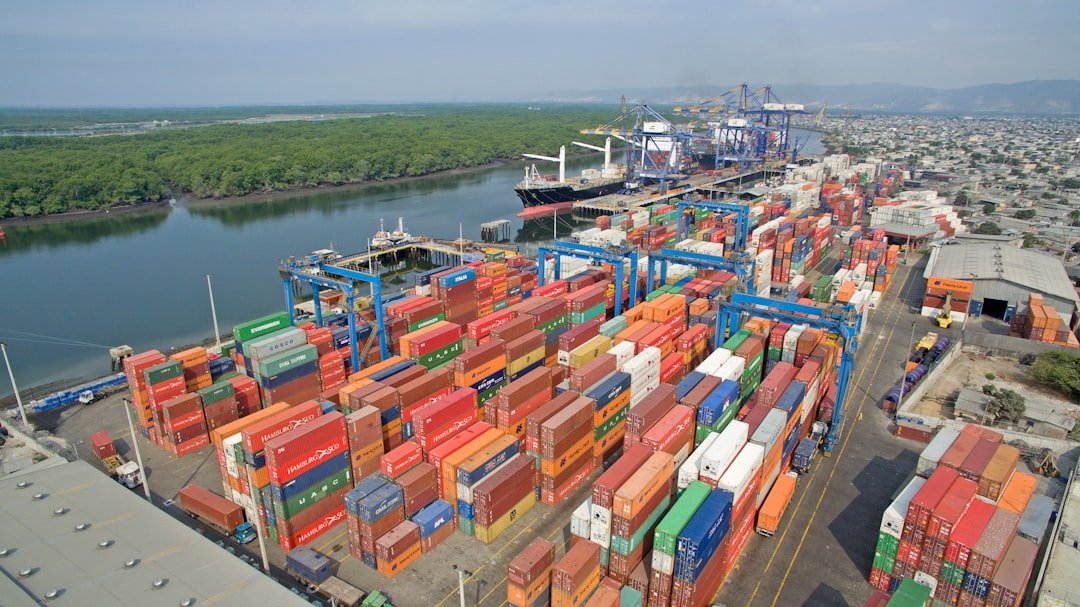
SafetyNet has established itself as a leader in the field of maritime safety, particularly in the transportation of dangerous goods. With a dedicated focus on the International Maritime Dangerous Goods (IMDG) Code, SafetyNet has developed a comprehensive understanding of the complexities involved in the safe transport of hazardous materials by sea. Their expertise is not merely theoretical; it is grounded in years of practical experience and a commitment to upholding the highest safety standards. This dedication has positioned SafetyNet as a trusted partner for organizations seeking to navigate the intricate landscape of maritime regulations.
The company’s approach combines rigorous training, innovative solutions, and a deep understanding of international regulations. By leveraging their extensive knowledge of the IMDG Code, SafetyNet ensures that clients can transport dangerous goods safely and efficiently. Their commitment to safety is evident in every aspect of their operations, from compliance assessments to training programs designed to equip personnel with the necessary skills and knowledge. As the maritime industry continues to evolve, SafetyNet remains at the forefront, ready to address emerging challenges and enhance safety protocols.
To enhance maritime safety, it is crucial to stay informed about the latest regulations and training opportunities. A related article that delves into the importance of awareness in hazardous materials transportation is available at ADR Awareness eLearning Courses in Multiple Languages. This resource highlights the significance of proper training in ensuring compliance and safety in the handling of dangerous goods, complementing SafetyNet’s expertise in the International Maritime Dangerous Goods (IMDG) Code.
Key Takeaways
- SafetyNet specializes in ensuring compliance with the International Maritime Dangerous Goods (IMDG) Code to enhance maritime safety.
- Proper handling and transportation of dangerous goods by sea are critical to preventing accidents and environmental hazards.
- SafetyNet offers expert training, education, and consulting services to help organizations meet IMDG regulations effectively.
- Partnering with SafetyNet improves safety outcomes and regulatory compliance for companies transporting hazardous maritime cargo.
- SafetyNet continuously adapts to evolving international standards, maintaining a leading role in advancing maritime safety for IMDG cargo.
The Importance of Maritime Safety in the Transportation of Dangerous Goods
Maritime safety is paramount when it comes to the transportation of dangerous goods. The potential risks associated with hazardous materials can have catastrophic consequences, not only for the crew and vessel but also for the environment and surrounding communities. Incidents involving dangerous goods can lead to severe accidents, including fires, explosions, and toxic spills, which can have long-lasting effects on marine ecosystems and public health. Therefore, ensuring that these materials are transported safely is not just a regulatory requirement; it is a moral obligation.
The importance of maritime safety extends beyond compliance with regulations; it encompasses a broader commitment to protecting lives and preserving the environment. The shipping industry plays a crucial role in global trade, and with that comes the responsibility to manage risks effectively. By prioritizing safety in the transportation of dangerous goods, companies can mitigate potential hazards and foster a culture of accountability and vigilance. This proactive approach not only safeguards personnel and assets but also enhances the reputation of organizations within the industry.
Understanding the International Maritime Dangerous Goods (IMDG) Code
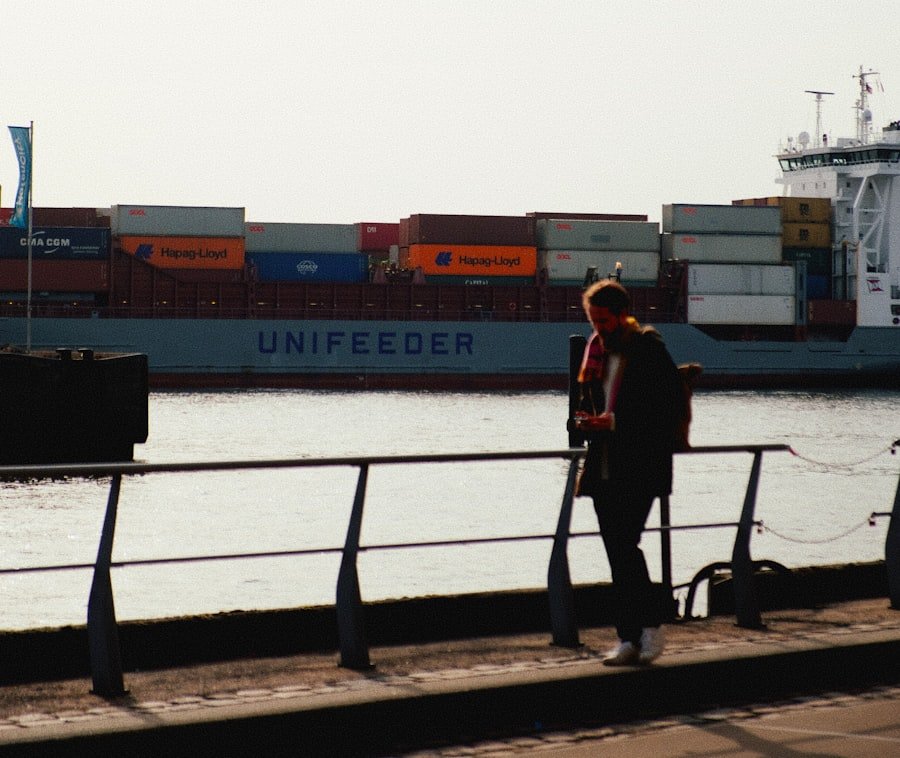
The International Maritime Dangerous Goods (IMDG) Code serves as a critical framework for the safe transport of hazardous materials by sea. Developed by the International Maritime Organization (IMO), this code outlines specific guidelines for classifying, packaging, labeling, and documenting dangerous goods. It is designed to ensure that all stakeholders involved in maritime transport understand their responsibilities and adhere to established safety protocols. The IMDG Code is regularly updated to reflect advancements in safety practices and emerging risks, making it essential for companies to stay informed about its provisions.
Understanding the IMDG Code requires a thorough grasp of its classifications and requirements. Dangerous goods are categorized into various classes based on their properties, such as flammability, toxicity, and reactivity. Each class has specific packaging and labeling requirements that must be followed to minimize risks during transport. Additionally, the code outlines emergency response procedures in case of incidents involving hazardous materials. By familiarizing themselves with these regulations, organizations can ensure compliance and enhance their overall safety practices.
SafetyNet’s Expertise in IMDG Compliance and Safety
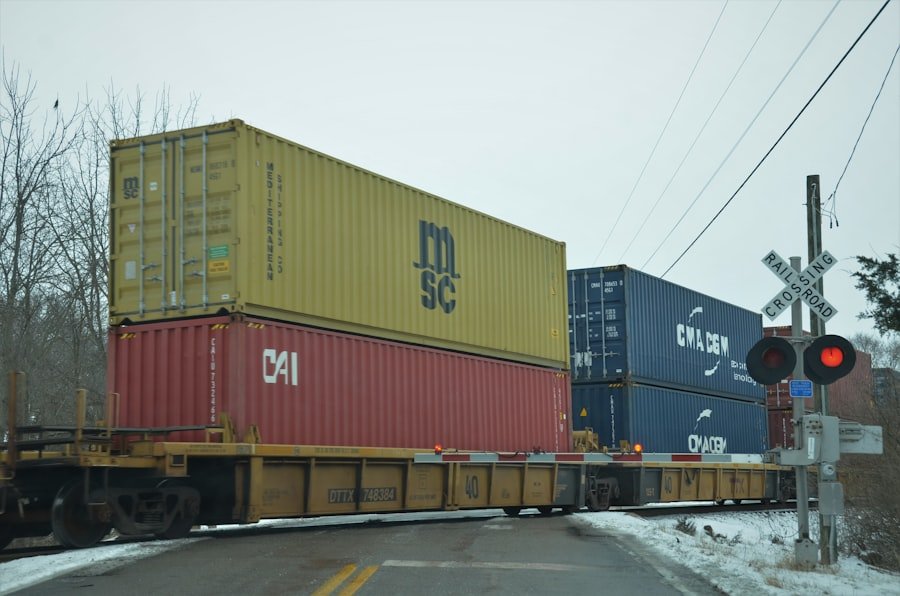
SafetyNet’s expertise in IMDG compliance is built on a foundation of extensive knowledge and practical experience. The company employs a team of professionals who are well-versed in the intricacies of the IMDG Code and its application in real-world scenarios. This expertise allows SafetyNet to provide tailored solutions that address the unique challenges faced by organizations transporting dangerous goods. From initial assessments to ongoing compliance monitoring, SafetyNet offers comprehensive support throughout the entire shipping process.
Moreover, SafetyNet’s commitment to continuous improvement ensures that their clients remain compliant with evolving regulations. The company actively engages with industry stakeholders and participates in forums focused on maritime safety, allowing them to stay ahead of emerging trends and best practices. This proactive approach not only enhances SafetyNet’s own capabilities but also empowers their clients to adopt effective safety measures that align with international standards.
To enhance maritime safety, it is crucial to understand the various risks involved in different environments, including confined spaces. A related article discusses the importance of identifying and mitigating these risks, which can significantly impact safety protocols on vessels. For more insights, you can read about it in this informative piece on confined spaces. By integrating this knowledge with SafetyNet’s IMDG expertise, maritime operators can better ensure the safety of their crews and cargo.
The Role of SafetyNet in Ensuring Maritime Safety for IMDG Cargo
| Metric | Description | Value | Unit |
|---|---|---|---|
| IMDG Code Compliance Rate | Percentage of shipments adhering to IMDG regulations | 98 | % |
| SafetyNet Incident Reduction | Decrease in maritime safety incidents after SafetyNet implementation | 35 | % |
| Training Sessions Conducted | Number of IMDG safety training sessions provided by SafetyNet | 120 | Sessions |
| Hazardous Cargo Inspections | Number of inspections performed to ensure IMDG compliance | 450 | Inspections |
| Response Time to Safety Alerts | Average time taken to respond to maritime safety alerts | 15 | Minutes |
| Client Satisfaction Rate | Percentage of clients satisfied with SafetyNet’s IMDG expertise | 92 | % |
SafetyNet plays a pivotal role in ensuring maritime safety for IMDG cargo through its multifaceted approach to compliance and risk management. By conducting thorough assessments of shipping practices, SafetyNet identifies potential vulnerabilities and provides actionable recommendations to mitigate risks. Their expertise extends beyond mere compliance; they work collaboratively with clients to foster a culture of safety that permeates every level of their organization.
In addition to risk assessments, SafetyNet offers ongoing support through training programs designed to equip personnel with the knowledge needed to handle dangerous goods safely. These programs cover essential topics such as proper packaging techniques, emergency response procedures, and regulatory updates. By investing in training, organizations can empower their employees to take ownership of safety practices, ultimately leading to a more secure maritime environment for all stakeholders involved.
To enhance your understanding of maritime safety, you may find it beneficial to explore the related article on ADR awareness, which discusses recognizing and handling dangerous goods. This resource complements SafetyNet’s IMDG expertise by providing insights into the regulations and best practices necessary for ensuring safe transportation of hazardous materials. For more information, you can read the article here.
Benefits of Partnering with SafetyNet for IMDG Compliance and Safety
For comprehensive security solutions, visit SafetyNet International.
Partnering with SafetyNet for IMDG compliance offers numerous benefits that extend beyond regulatory adherence. One of the primary advantages is access to specialized expertise that can streamline operations and enhance safety protocols. Organizations can leverage SafetyNet’s knowledge to navigate complex regulations more effectively, reducing the risk of non-compliance and associated penalties. This partnership allows companies to focus on their core business while entrusting safety matters to seasoned professionals.
Furthermore, SafetyNet’s commitment to continuous improvement means that clients benefit from ongoing support and updates regarding changes in regulations or best practices. This proactive approach ensures that organizations remain compliant in an ever-evolving regulatory landscape. Additionally, by fostering a culture of safety through training and education initiatives, SafetyNet helps organizations build resilience against potential risks associated with transporting dangerous goods.
SafetyNet’s Approach to Training and Education for IMDG Compliance
SafetyNet recognizes that effective training and education are critical components of achieving IMDG compliance. Their approach emphasizes hands-on learning experiences that engage participants and reinforce key concepts related to hazardous materials handling. By utilizing interactive training methods, SafetyNet ensures that employees not only understand regulatory requirements but also develop practical skills necessary for safe operations.
The training programs offered by SafetyNet are tailored to meet the specific needs of each organization, taking into account factors such as industry type, employee roles, and existing knowledge levels. This customized approach allows for more effective learning outcomes and fosters a deeper understanding of safety practices among personnel. Additionally, SafetyNet provides ongoing educational resources to keep clients informed about updates to the IMDG Code and emerging trends in maritime safety.
Case Studies: How SafetyNet’s Expertise has Improved Maritime Safety for IMDG Cargo
SafetyNet’s impact on maritime safety can be illustrated through various case studies that highlight their expertise in IMDG compliance. In one instance, a shipping company faced challenges related to improper labeling and documentation of dangerous goods, which posed significant risks during transport. By conducting a comprehensive assessment, SafetyNet identified gaps in compliance and implemented targeted training programs for staff members involved in handling hazardous materials. As a result, the company not only achieved full compliance with the IMDG Code but also significantly reduced incidents related to mislabeling.
Another case study involved a logistics provider struggling with emergency response preparedness for IMDG cargo incidents. SafetyNet collaborated with the organization to develop tailored emergency response plans that aligned with IMDG requirements. Through simulation exercises and training sessions, employees gained confidence in their ability to respond effectively to potential emergencies involving dangerous goods. This proactive approach not only enhanced safety but also improved overall operational efficiency.
The Future of Maritime Safety and SafetyNet’s Continued Role in IMDG Compliance
As the maritime industry continues to evolve, so too does the landscape of safety regulations governing the transportation of dangerous goods. Emerging technologies, changing trade patterns, and increased scrutiny from regulatory bodies all contribute to an environment where compliance is more critical than ever. In this context, SafetyNet remains committed to playing a vital role in shaping the future of maritime safety through its expertise in IMDG compliance.
Looking ahead, SafetyNet aims to leverage advancements in technology to enhance its services further. This includes exploring innovative solutions such as digital platforms for training delivery and compliance monitoring tools that provide real-time insights into safety practices. By embracing these developments, SafetyNet will continue to empower organizations to navigate the complexities of maritime regulations while prioritizing safety at every turn.
How SafetyNet’s IMDG Expertise Aligns with International Regulations and Standards
SafetyNet’s expertise in IMDG compliance is firmly rooted in alignment with international regulations and standards set forth by organizations such as the International Maritime Organization (IMO). By adhering closely to these guidelines, SafetyNet ensures that its clients are not only compliant but also positioned as leaders within their respective industries. This alignment fosters trust among stakeholders and enhances overall credibility within the maritime sector.
Moreover, SafetyNet actively engages with regulatory bodies and industry associations to stay informed about changes in international standards related to dangerous goods transportation. This proactive approach allows them to anticipate shifts in regulations and adapt their services accordingly. By maintaining this alignment with international standards, SafetyNet reinforces its commitment to promoting safe practices while supporting clients in achieving their compliance goals.
The Importance of SafetyNet’s Expertise in Ensuring Maritime Safety for IMDG Cargo
In conclusion, SafetyNet’s expertise plays an indispensable role in ensuring maritime safety for IMDG cargo. Through its comprehensive understanding of the IMDG Code, commitment to training and education, and proactive approach to compliance, SafetyNet empowers organizations to navigate the complexities associated with transporting dangerous goods safely. As the maritime industry faces new challenges and evolving regulations, partnering with experts like SafetyNet becomes increasingly vital for maintaining high safety standards.
The importance of maritime safety cannot be overstated; it is essential for protecting lives, preserving the environment, and fostering trust within the global shipping community. By prioritizing compliance and investing in robust safety practices, organizations can mitigate risks associated with hazardous materials transport while enhancing their operational efficiency. Ultimately, SafetyNet’s unwavering dedication to excellence positions it as a key player in shaping a safer future for maritime operations involving dangerous goods.