
In an era where industrial operations are increasingly complex and multifaceted, the need for robust safety measures in hazardous environments has never been more critical. SafetyNet has emerged as a leader in providing comprehensive solutions tailored to mitigate risks associated with such environments. With a focus on innovative technologies and best practices, SafetyNet aims to protect personnel while ensuring operational efficiency. Their approach encompasses a wide range of services, from training programs to advanced monitoring systems, all designed to create a safer workplace.
SafetyNet’s commitment to safety is underscored by its understanding of the unique challenges posed by hazardous environments. These settings can range from chemical plants and oil rigs to construction sites and mining operations, each presenting distinct risks that require specialized knowledge and equipment. By leveraging cutting-edge technology and expert insights, SafetyNet equips organizations with the tools necessary to navigate these challenges effectively. The company’s holistic approach not only prioritizes the well-being of crew members but also enhances overall productivity and compliance with industry regulations.
In today’s rapidly changing work environments, ensuring the safety of your crew is paramount. For insights on how to effectively manage hazardous conditions, you can explore the article titled “Protect Your Crew: SafetyNet’s Hazardous Environment Solutions.” This resource provides valuable strategies and tools designed to enhance workplace safety and mitigate risks. To learn more about these essential solutions, visit SafetyNet International.
Key Takeaways
- SafetyNet provides comprehensive solutions for hazardous environments
- Understanding the risks of hazardous environments is crucial for crew safety
- Crew safety is of utmost importance in hazardous environments
- SafetyNet offers specialized training programs for hazardous environments
- Personal protective equipment is essential for crew safety in hazardous environments
Understanding the Risks of Hazardous Environments
Hazardous environments are characterized by a variety of risks that can pose significant threats to personnel and operations. These risks can stem from chemical exposure, physical hazards, biological agents, or even environmental factors such as extreme weather conditions. Understanding these dangers is the first step in developing effective safety protocols. For instance, in chemical processing facilities, the potential for toxic spills or explosions necessitates stringent safety measures and constant vigilance.
Moreover, the psychological impact of working in hazardous environments cannot be overlooked. Employees may experience heightened stress levels due to the constant awareness of potential dangers, which can affect their performance and decision-making abilities. SafetyNet recognizes that addressing both physical and psychological risks is essential for fostering a culture of safety. By providing comprehensive training and support, they empower workers to identify hazards proactively and respond effectively, thereby reducing the likelihood of accidents.
Importance of Crew Safety in Hazardous Environments

The safety of crew members in hazardous environments is paramount, not only for ethical reasons but also for operational efficiency. When employees feel secure in their work environment, they are more likely to perform at their best, leading to increased productivity and morale. Conversely, neglecting safety can result in accidents that not only endanger lives but also lead to costly downtime and legal repercussions for organizations. SafetyNet emphasizes that investing in crew safety is an investment in the organization’s future.
Furthermore, crew safety extends beyond individual well-being; it encompasses the entire organizational culture. A strong commitment to safety fosters trust among employees, encouraging them to communicate openly about potential hazards and near-misses. This proactive approach can lead to continuous improvement in safety practices and a reduction in incidents over time. SafetyNet’s solutions are designed to cultivate this culture of safety, ensuring that crew members are not only protected but also engaged in their own safety processes.
SafetyNet’s Training Programs for Hazardous Environments

SafetyNet offers a range of training programs specifically designed for hazardous environments, ensuring that crew members are well-equipped to handle the unique challenges they may face. These programs cover essential topics such as hazard recognition, emergency response procedures, and the proper use of personal protective equipment (PPE). By providing hands-on training and simulations, SafetyNet helps employees develop the skills necessary to respond effectively in high-pressure situations.
In addition to technical training, SafetyNet emphasizes the importance of soft skills such as communication and teamwork. In hazardous environments, effective collaboration can be the difference between a successful operation and a catastrophic incident. SafetyNet’s training programs incorporate team-building exercises that foster trust and cooperation among crew members, enabling them to work together seamlessly even in the most challenging conditions. This comprehensive approach ensures that employees are not only knowledgeable but also confident in their ability to maintain safety standards.
In the pursuit of ensuring workplace safety, understanding the nuances of hazardous environments is crucial, as highlighted in the article on recognizing and handling dangerous goods. This resource complements the insights provided in Protect Your Crew: SafetyNet’s Hazardous Environment Solutions, offering practical guidance for identifying and managing risks associated with dangerous materials. For more information on this topic, you can explore the article here.
Personal Protective Equipment for Hazardous Environments
| Product | Features | Benefits |
|---|---|---|
| SafetyNet Hazardous Environment Solutions | Real-time monitoring, Gas detection, Emergency response system | Enhanced safety, Early hazard detection, Quick response to emergencies |
| Usage | Industrial settings, Chemical plants, Oil refineries | Protects workers, Prevents accidents, Ensures compliance with safety regulations |
| Effectiveness | Reduced incidents, Improved safety record, Lower insurance costs | Cost savings, Improved reputation, Peace of mind for employees |
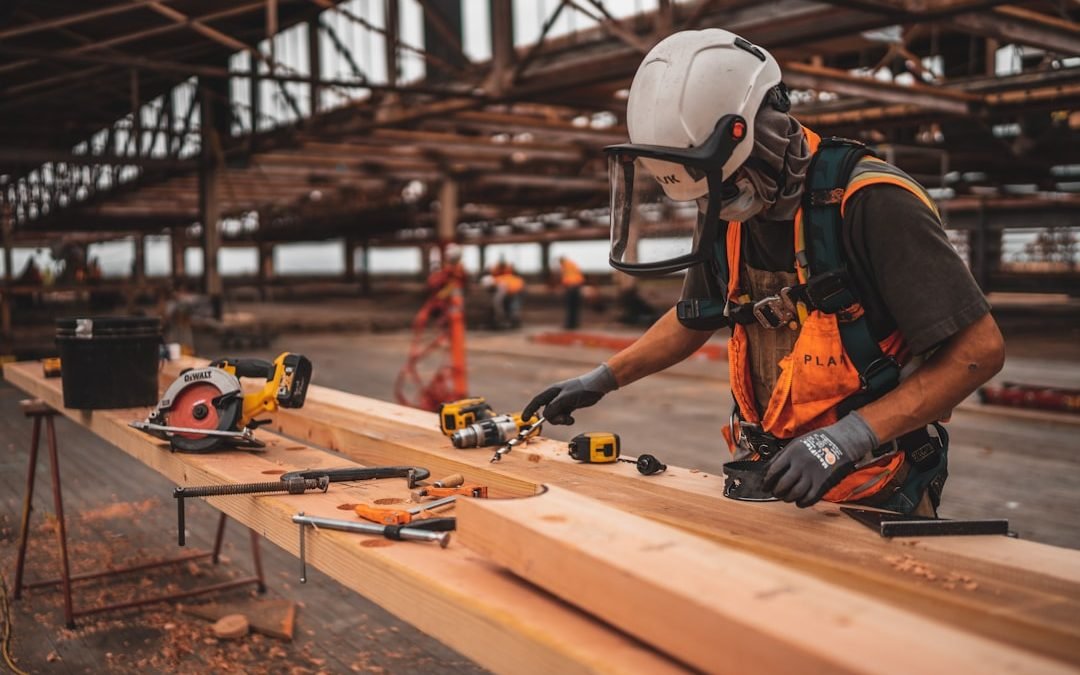
Personal protective equipment (PPE) is a critical component of safety in hazardous environments. SafetyNet recognizes that the right PPE can significantly reduce the risk of injury or illness among crew members. They offer guidance on selecting appropriate equipment based on specific hazards present in various environments, ensuring that employees are adequately protected at all times. This includes everything from helmets and gloves to specialized respiratory protection and chemical-resistant clothing.
Moreover, SafetyNet emphasizes the importance of proper PPE usage and maintenance. Training programs include instruction on how to wear, care for, and inspect PPE effectively. Employees are taught to recognize when equipment is damaged or no longer effective, empowering them to take responsibility for their own safety. By fostering a culture of accountability regarding PPE usage, SafetyNet helps organizations minimize risks associated with hazardous environments while promoting a proactive approach to safety.
Emergency Response Planning for Hazardous Environments
Sure, here is the sentence with the clickable link:
Learn more about SafetyNet International at SafetyNet International.
Effective emergency response planning is essential for mitigating the impact of incidents in hazardous environments. SafetyNet works closely with organizations to develop tailored emergency response plans that address specific risks associated with their operations. These plans outline clear procedures for responding to various emergencies, including chemical spills, fires, or equipment failures. By having a well-defined plan in place, organizations can ensure a swift and coordinated response when incidents occur.
Training is a crucial aspect of emergency response planning. SafetyNet conducts regular drills and simulations to prepare crew members for real-life scenarios. These exercises not only familiarize employees with emergency procedures but also help identify potential gaps in the response plan. By continuously refining their strategies based on feedback from drills, organizations can enhance their preparedness and resilience in the face of emergencies.
Monitoring and Detection Systems for Hazardous Environments
Monitoring and detection systems play a vital role in maintaining safety within hazardous environments. SafetyNet provides advanced technologies designed to detect potential hazards before they escalate into serious incidents. These systems can include gas detectors, temperature sensors, and surveillance cameras that monitor conditions in real-time. By implementing these technologies, organizations can gain valuable insights into their operational environment and respond proactively to emerging threats.
Furthermore, SafetyNet emphasizes the importance of integrating monitoring systems with existing safety protocols. This ensures that data collected from these systems is utilized effectively to inform decision-making processes. For instance, if a gas detector signals an increase in toxic levels, immediate action can be taken based on pre-established protocols. By combining technology with human expertise, SafetyNet helps organizations create a safer work environment while minimizing risks associated with hazardous conditions.
Communication Protocols in Hazardous Environments
Effective communication is crucial in hazardous environments where misunderstandings can lead to dire consequences. SafetyNet advocates for clear communication protocols that ensure all crew members are informed about potential risks and safety procedures. This includes establishing designated channels for reporting hazards or incidents and ensuring that information flows seamlessly between team members at all levels.
SafetyNet also recognizes the importance of using technology to enhance communication in challenging environments. For instance, two-way radios or mobile applications can facilitate real-time communication among crew members working in remote or noisy areas. By leveraging these tools, organizations can ensure that everyone remains connected and informed, reducing the likelihood of accidents caused by miscommunication or lack of awareness.
Case Studies of SafetyNet’s Hazardous Environment Solutions
SafetyNet’s effectiveness is best illustrated through real-world case studies that showcase their innovative solutions in action. One notable example involves a chemical processing plant that faced frequent incidents due to inadequate training and outdated safety protocols. After partnering with SafetyNet, the organization implemented comprehensive training programs and updated their emergency response plans. As a result, they experienced a significant reduction in incidents and improved employee morale.
Another case study highlights SafetyNet’s role in enhancing safety at an oil rig where harsh environmental conditions posed numerous challenges. By introducing advanced monitoring systems and conducting regular drills, SafetyNet helped the crew develop a heightened awareness of potential hazards. The implementation of these solutions led to improved response times during emergencies and ultimately contributed to a safer working environment.
Compliance with Regulations and Standards in Hazardous Environments
Compliance with regulations and industry standards is essential for organizations operating in hazardous environments. SafetyNet assists companies in navigating the complex landscape of safety regulations by providing expert guidance on best practices and compliance requirements. This includes staying up-to-date with local, national, and international regulations that govern workplace safety.
By prioritizing compliance, organizations not only protect their employees but also safeguard their reputation and financial stability. Non-compliance can result in severe penalties, legal liabilities, and damage to an organization’s credibility. SafetyNet’s solutions are designed to help companies meet these regulatory requirements while fostering a culture of safety that benefits everyone involved.
Investing in Crew Safety with SafetyNet’s Hazardous Environment Solutions
In conclusion, investing in crew safety within hazardous environments is not merely a legal obligation; it is a moral imperative that directly impacts organizational success. SafetyNet’s comprehensive solutions provide organizations with the tools necessary to create safer workplaces while enhancing operational efficiency. From training programs to advanced monitoring systems, SafetyNet equips companies with the resources needed to navigate the complexities of hazardous environments effectively.
By prioritizing crew safety through innovative solutions and fostering a culture of accountability, organizations can significantly reduce risks associated with hazardous conditions. Ultimately, partnering with SafetyNet represents a commitment to protecting personnel while ensuring compliance with industry standards—a decision that pays dividends in both human lives and organizational success.