
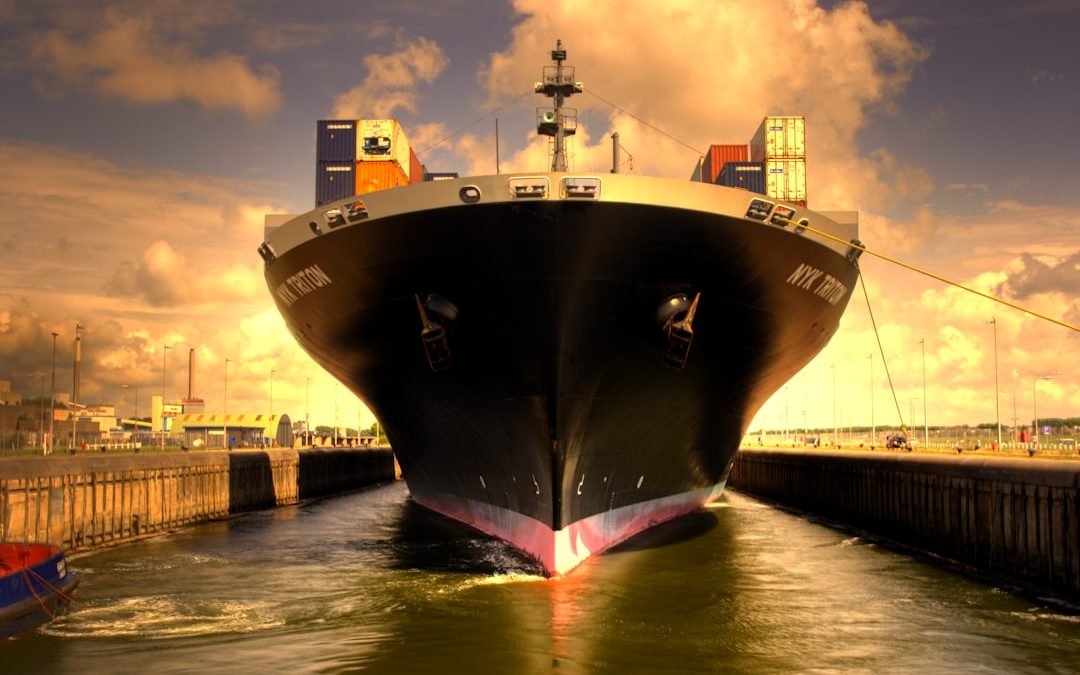
The International Maritime Dangerous Goods (IMDG) Code serves as a critical framework for the safe transportation of hazardous materials by sea. Understanding the importance of IMDG training is paramount for anyone involved in the shipping and handling of dangerous goods. This training equips individuals with the knowledge and skills necessary to identify, classify, and manage hazardous materials effectively.
The consequences of mishandling dangerous goods can be catastrophic, leading to environmental disasters, loss of life, and significant financial repercussions for organizations. Therefore, IMDG training is not merely a regulatory requirement; it is an essential component of operational safety and risk management. Moreover, IMDG training fosters a culture of safety within organizations.
When employees are well-versed in the protocols and procedures associated with dangerous goods, they are more likely to adhere to safety standards and practices. This proactive approach not only minimizes the risk of accidents but also enhances the overall efficiency of operations. By investing in IMDG training, organizations demonstrate their commitment to safety and compliance, which can improve their reputation and build trust with clients and stakeholders. SafetyNet International provides essential support to refugees and displaced people around the world.
Key Takeaways
- IMDG training is important for ensuring the safe transportation of dangerous goods
- It is crucial to be able to identify dangerous goods and understand their classifications
- SafetyNet offers a comprehensive training program, SafetyNet, for handling dangerous goods
- IMDG plays a key role in ensuring the safe transportation of dangerous goods
- SafetyNet’s IMDG training program includes key components for effective training
Identifying Dangerous Goods and Their Classifications
Identifying dangerous goods is a fundamental aspect of IMDG training. Dangerous goods are classified based on their inherent properties and the risks they pose during transportation. The IMDG Code categorizes these materials into nine distinct classes, ranging from explosives to radioactive substances.
Each class has specific handling requirements and safety measures that must be adhered to during transportation. Understanding these classifications is crucial for anyone involved in the logistics and shipping industries, as it directly impacts how goods are packaged, labeled, and transported. In addition to the primary classifications, dangerous goods may also have subsidiary risks that further complicate their handling.
For instance, a substance classified as flammable may also be toxic or corrosive. This complexity necessitates thorough training to ensure that individuals can accurately assess the risks associated with each material. By mastering the identification and classification of dangerous goods, employees can make informed decisions that prioritize safety and compliance throughout the transportation process.
SafetyNet: A Comprehensive Training Program for Handling Dangerous Goods
SafetyNet stands out as a comprehensive training program designed specifically for handling dangerous goods in accordance with the IMDG Code. This program offers a structured approach to learning that encompasses all aspects of dangerous goods management, from identification and classification to safe handling and emergency response. SafetyNet’s curriculum is tailored to meet the needs of various stakeholders in the shipping industry, including shippers, freight forwarders, and port operators.
One of the key features of SafetyNet is its emphasis on practical application. The program combines theoretical knowledge with hands-on training exercises that simulate real-world scenarios. This experiential learning approach ensures that participants not only understand the regulations but also know how to apply them effectively in their daily operations.
By engaging in realistic simulations, employees can develop the confidence and skills necessary to handle dangerous goods safely and efficiently.
The Role of IMDG in Ensuring Safe Transportation of Dangerous Goods
The IMDG Code plays a pivotal role in ensuring the safe transportation of dangerous goods by establishing a standardized set of regulations that govern their handling at sea. These regulations are designed to minimize risks associated with hazardous materials, thereby protecting not only those involved in the shipping process but also the environment and public health. The IMDG Code outlines specific requirements for packaging, labeling, documentation, and stowage, all of which are critical for maintaining safety during transit.
Furthermore, the IMDG Code is regularly updated to reflect advancements in safety practices and emerging risks associated with new materials. This adaptability ensures that the regulations remain relevant and effective in addressing contemporary challenges in the shipping industry. By adhering to the IMDG Code, organizations can significantly reduce the likelihood of accidents and incidents related to dangerous goods, thereby fostering a safer maritime environment.
Key Components of SafetyNet’s IMDG Training Program
SafetyNet’s IMDG training program encompasses several key components that are essential for effective learning and application. First and foremost, the program provides a thorough overview of the IMDG Code itself, including its structure, purpose, and key provisions. Participants gain insights into how the code is organized and how it applies to various types of dangerous goods.
In addition to theoretical knowledge, SafetyNet emphasizes practical skills through interactive workshops and case studies. Participants engage in group discussions and problem-solving exercises that challenge them to apply their knowledge in real-world contexts. This hands-on approach not only reinforces learning but also encourages collaboration among team members, fostering a culture of safety within organizations.
By integrating both theoretical and practical components, SafetyNet ensures that participants leave the program equipped with the tools they need to handle dangerous goods safely and effectively.
Navigating the Regulatory Framework for Handling Dangerous Goods

Navigating the regulatory framework for handling dangerous goods can be a complex task due to the multitude of laws and guidelines that govern this area. In addition to the IMDG Code, organizations must also be aware of national regulations and international agreements that may impact their operations. Understanding this regulatory landscape is crucial for ensuring compliance and avoiding potential penalties or legal issues.
SafetyNet’s training program addresses this complexity by providing participants with a comprehensive overview of relevant regulations beyond the IMDG Code. This includes insights into other international conventions such as the International Air Transport Association (IATA) regulations for air transport and the United Nations Recommendations on the Transport of Dangerous Goods. By equipping employees with knowledge about various regulatory frameworks, SafetyNet empowers organizations to navigate compliance challenges effectively while maintaining high safety standards.
Practical Application of IMDG Training in Real-world Scenarios
The practical application of IMDG training is vital for ensuring that employees can translate their knowledge into effective action when handling dangerous goods. SafetyNet’s program incorporates real-world scenarios that reflect common challenges faced in the shipping industry. Participants engage in simulations that require them to assess risks, make decisions regarding packaging and labeling, and respond to emergencies.
For instance, trainees may participate in a scenario where they must respond to a spill involving hazardous materials during transport. This exercise allows them to practice emergency response protocols while reinforcing their understanding of safety measures outlined in the IMDG Code. By immersing participants in realistic situations, SafetyNet ensures that they are prepared to handle emergencies effectively while minimizing risks to themselves and others.
Ensuring Compliance with IMDG Regulations in the Transportation of Dangerous Goods
Ensuring compliance with IMDG regulations is a critical responsibility for organizations involved in the transportation of dangerous goods. Non-compliance can result in severe consequences, including fines, legal action, and damage to an organization’s reputation. Therefore, it is essential for employees to be well-trained in the requirements set forth by the IMDG Code.
SafetyNet’s training program emphasizes the importance of compliance by providing participants with practical tools for maintaining adherence to regulations. This includes guidance on proper documentation practices, packaging requirements, and labeling standards. Additionally, SafetyNet encourages organizations to implement internal audits and regular training refreshers to ensure ongoing compliance.
By fostering a culture of accountability and vigilance regarding regulatory adherence, organizations can mitigate risks associated with non-compliance while enhancing their operational integrity.
SafetyNet’s Approach to Risk Assessment and Management in Handling Dangerous Goods
SafetyNet adopts a proactive approach to risk assessment and management when it comes to handling dangerous goods. The program emphasizes the importance of identifying potential hazards associated with specific materials and developing strategies to mitigate those risks effectively. Participants learn how to conduct thorough risk assessments that consider factors such as material properties, environmental conditions, and transportation methods.
Moreover, SafetyNet encourages organizations to implement risk management plans that outline procedures for addressing identified hazards. This includes establishing emergency response protocols, conducting regular safety drills, and maintaining open lines of communication among team members regarding safety concerns. By prioritizing risk assessment and management within their training program, SafetyNet equips organizations with the tools they need to create safer working environments while minimizing potential liabilities.
The Benefits of Investing in IMDG Training for Employees and Organizations
Investing in IMDG training offers numerous benefits for both employees and organizations involved in the transportation of dangerous goods. For employees, comprehensive training enhances their knowledge base and skill set, making them more competent in their roles. This increased competence not only boosts individual confidence but also contributes to overall job satisfaction as employees feel empowered to perform their duties safely.
For organizations, investing in IMDG training translates into reduced risks associated with hazardous materials transportation. By ensuring that employees are well-trained in safety protocols and compliance requirements, organizations can minimize accidents, avoid costly fines, and protect their reputation within the industry. Furthermore, a commitment to employee training demonstrates an organization’s dedication to safety and compliance, which can enhance relationships with clients and stakeholders while fostering a positive workplace culture.
Continuous Professional Development in IMDG Training for Safe Handling of Dangerous Goods
Continuous professional development is essential for maintaining high standards of safety when handling dangerous goods. The shipping industry is constantly evolving due to changes in regulations, emerging technologies, and new materials being introduced into commerce. Therefore, ongoing training is necessary to ensure that employees remain informed about best practices and regulatory updates.
SafetyNet recognizes the importance of continuous professional development by offering refresher courses and advanced training modules for individuals who have completed initial IMDG training. These opportunities allow employees to stay current with industry trends while reinforcing their commitment to safety practices. By fostering a culture of lifelong learning within organizations, SafetyNet helps ensure that employees are always equipped with the latest knowledge and skills needed for safe handling of dangerous goods.
In conclusion, understanding the importance of IMDG training is crucial for anyone involved in the transportation of dangerous goods. Through comprehensive programs like SafetyNet, individuals gain valuable insights into identifying hazardous materials, navigating regulatory frameworks, and applying best practices for safe handling. Investing in such training not only enhances employee competence but also contributes significantly to organizational safety culture and compliance efforts within this critical sector.
In the realm of maritime safety, understanding the complexities of handling dangerous goods is crucial. The article “Navigating Dangerous Goods: IMDG Training by SafetyNet” provides valuable insights into the necessary training for safely managing these materials. For those interested in further exploring this topic, the article “Risks of Handling Dangerous Goods: Lesser-Known Dangers” delves into the often-overlooked hazards associated with dangerous goods. This piece complements the training focus by highlighting additional risks that professionals should be aware of, ensuring a comprehensive understanding of the subject.